Essay Features
Which Live Shopping Platforms Give Creators the Most Sales Tools
TikTok Shop LIVE has the widest toolkit, but fit decides.
Live shopping platforms let creators turn viewers into buyers in very different ways. The widest built-in sales toolkit comes with TikTok Shop LIVE, though having more tools by itself does not decide which option is best. Marketplaces supply shopper traffic and checkout support, while sellers get greater control from on-site software. The best fit depends on who follows the creator, what they sell, and how much control they will give up to gain reach.
Why live shopping platforms are not interchangeable for creators who want to sell
They are also deciding how much of the sale stays under their control. A broadcast can fold finding, showing, and buying into a single session, but only if the platform covers payment, measurement, and a sense of urgency. Video on its own can't finish that chain.
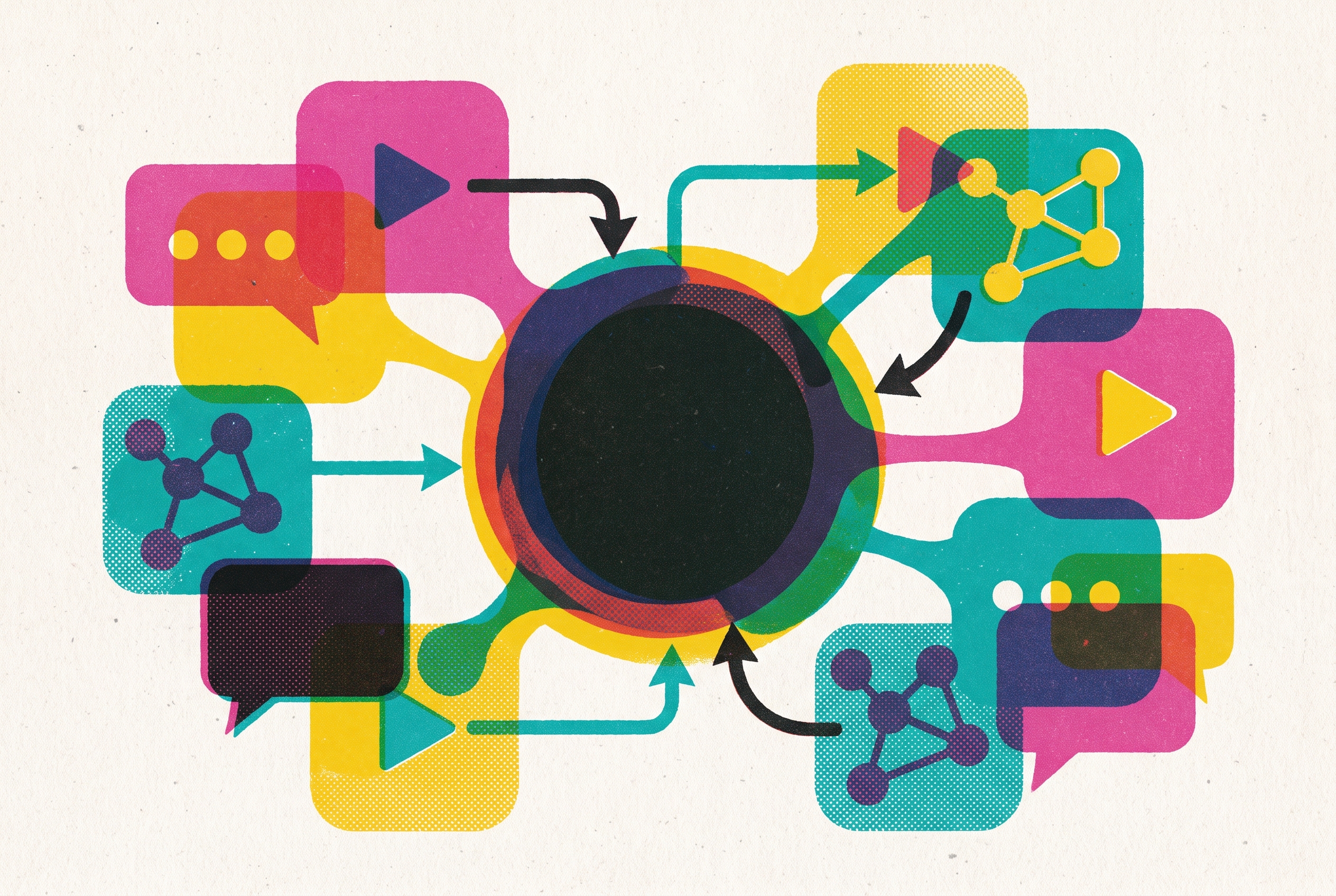
These options split into three tiers. Social networks help shoppers find items and include native commerce features, while marketplace-native platforms match vendors with ready audiences, plus software-as-a-service solutions enable merchants to handle sales via personal storefronts. Each tier balances audience size, commerce features, information rights, and shipping oversight differently. That is why a platform that works well for one creator might be the wrong choice for another.
What to look for before comparing platforms — the four tool layers that actually drive conversion
The initial layer lets viewers buy items directly within the video through in-stream checkout. Next, product recommendations introduce buyers to a stream whose host they do not yet follow. Each solves a different problem. Easy purchasing offers little value if no one is watching, and a sizable audience may still not translate into sales.
The third layer handles engagement and urgency using countdowns, auctions, polls, and comment-to-buy triggers. These tools give viewers a reason or a way to act while the session is live. The fourth layer covers post-broadcast metrics, tracking per-session revenue, conversion by product, and viewer exit points so future streams run on better information. Combined, they transform a simple video feed with a storefront into a dedicated commerce engine.
Treat this as a decision lens. Social channels usually shine at discovery while offering less control over data and checkout, and tools built into a brand's own site flip that trade-off. Marketplace-native options sit in between: they bring shoppers and built-in checkout, yet the shopper bond stays with the platform itself. Audience size alone doesn't equal selling power, and slick video paired with a clunky buying flow can draw big crowds yet convert few of them.
TikTok Shop LIVE — the broadest native sales toolkit any social platform currently hands creators
TikTok Shop handles product discovery, sessions, purchases, automated fulfillment, and optimization without outside integrations. Its own product display feature and LIVE shopping sessions connect product presentation with checkout within the app. This breadth is what sets it apart.
TikTok Seller University says LIVE Manager runs on desktop and helps hosts manage products, plan sessions, run giveaways, review analytics, and use OBS Virtual Camera. For TikTok Shop LIVE Auctions, Countdown Bidding lets viewers place expiring bids during the stream. Through the bulletin board, creators can message followers in the gaps between sessions and keep the relationship going after the broadcast ends.
Since July 2025, GMV Max drives TikTok Shop Ads using its Product and LIVE variants to automatically tune both ad spend and livestreams for traffic and sales. That cuts out manual campaign work. Through the platform's affiliate program, creators can also monetize merchandise listed in rival catalogues without keeping any stock. Merchants cover per-unit referral and fulfillment charges, with sellers determining the commission rates creators earn.
Because TikTok Shop’s February 2026 logistics rules require sellers to operate through its logistics structure, they have less fulfillment control than through an independent storefront. Creators need to weigh that restriction when choosing a platform. Those able to work within the structure receive native sales tools unmatched by any social platform today.
Amazon Live — the deepest affiliate and brand-matching infrastructure, now open to far more creators
A live session plugs into Amazon’s discovery, search, and storefront infrastructure, letting creators’ content appear where shoppers come to purchase. What sets it apart is how deeply the ecosystem runs. For creators with audiences already shopping on Amazon, this setup links product demonstrations to a familiar buying context.
In April 2026, the Associates restructuring expanded access to storefront and creator-link features, enabling more creators to sell through their own shops without additional approval. This reduces an obstacle to joining the broader commerce ecosystem. Its importance is not just that it adds another broadcasting feature. More creators can now access the commerce infrastructure supporting storefronts and affiliates, which gives Amazon Live its value.
With the Amazon Live Creator app, creators can run livestreams on Amazon, showcase products, talk with shoppers as the stream runs, and check their metrics via the analytics built in. Around each session, the work of generating links and running a storefront provides backup. Creator University offers a no-cost collection of video guides, written articles, and testimonials. Senior “Insider” creators get first crack at Amazon Live events, plus one-on-one help straight from the team that works with creators.
Content must remain within Amazon. Because Amazon Live keeps broadcasts confined to its ecosystem, creators cannot carry them over to their other channels. Audience fit therefore becomes the deciding factor. Its affiliate and brand-matching infrastructure serves Amazon-native audiences and purchase-intent content best, while offering little to creators who want an independently controlled video-commerce operation.
Each tier balances audience size, commerce features, information rights, and shipping oversight differently.
Whatnot — audience and transaction mechanics built for independent auction sellers, not tool-rich creators
Whatnot leads the United States market for live shopping, yet it functions essentially as a streaming marketplace. Auction-style bidding, permanent listings, and creators broadcasting live define the experience, particularly for sneakers, collectibles, and vintage fashion. The real draw is the existing buyer audience. Sellers in those niches can tap into the platform's commercial value immediately rather than assembling a following from nothing first.
The deal trades control for reach. Whatnot keeps Discovery and its customer ties, and its native setup does not let sellers take buyer data with them or carry those connections to another channel. When Whatnot announced in September 2026 that sellers hitting set monthly sales thresholds would pay lower commissions, it showed a clear interest in keeping independent sellers who move high volumes. Still, the trade-off remains. Whatnot works best for sellers who care more about niche buyer interest and live-bidding features than about having a rich, self-managed set of selling tools.
CommentSold — automation purpose-built for boutique sellers who run frequent social live sessions
A marketplace is different from SaaS, which gives sellers more control over their workflow and ownership of their data, but sellers must supply an audience. CommentSold applies this approach to high-frequency boutiques, particularly those selling through Facebook and Instagram. It prioritizes operational leverage. Comment-to-buy tools target a particular workflow bottleneck rather than replacing how a social platform finds potential customers.
CommentSold wraps that core with waitlists, fulfillment utilities, its own branded mobile app, plus concurrent streaming to Facebook alongside Instagram and TikTok. Such features handle both the live show and the logistics of recurring streams, making broadcast cadence central to whether the platform suits a seller. A shop hosting frequent social broadcasts benefits more from automated sales and shipping workflows than from additional built-in engagement tools.
In July 2026 pricing, CommentSold charges a starting monthly rate and 5% of sales, with upper tiers trading a larger monthly rate for a smaller sales cut. The seller still has to bring the traffic. Without a native system that introduces livestreams to fresh shoppers the way TikTok or Amazon can, CommentSold’s automation mainly converts demand the seller already has.
Bambuser — on-site video commerce for enterprise sellers who need data ownership and one-to-one selling
What sets Bambuser apart most is offering personalized virtual clienteling sessions tailored to premium buyers. This extends video commerce past the public broadcast format on social platforms. Combined with mass live streams plus shoppable brief clips, the platform enables premium and enterprise brands to address varied buying scenarios within their own sites and apps.
Bambuser equips brands with a fully customizable branded streaming player, alongside replay shopping tools with AI subtitle support, deeper performance reporting, and CRM connectivity. With social multistreaming, brands can reach audiences outside their own embedded player. Ownership is still the main advantage. Instead of handing it to a marketplace, brands retain the shopper journey, purchase information, and post-session buyer connection.
Holding that control does not mean Bambuser handles every kind of live selling equally well. Compared with marketplace-native platforms like Whatnot, its multichannel features lack a single retail workflow and offer fewer ways to gamify or engage viewers. The setup favors a premium look in controlled settings. Furthermore, lacking algorithmic boosts, discovery tools, and an inherent audience base, existing site traffic matters more. For enterprises, that autonomy demands higher spending and the burden of drawing viewers themselves.
Sprii and Channelize — mid-market SaaS options that combine multichannel reach with on-site control
In the live-selling stack, Sprii and Channelize land between social-first tools and enterprise storefront commerce. For brands, the result is tighter platform control, with lower setup effort and spend compared with Bambuser. Neither one needs to be ranked above the other in every case. They support cross-channel customer engagement while keeping sales operations under the brand’s control.
Sprii markets an all-in-one retail platform that merges video, data, commerce, and engagement, bundling multichannel streaming into the base tier without added fees. The platform offers multi-channel broadcasting, a single management dashboard, purchasing via comments, on-demand shoppable videos, and interactive audience elements. The company also builds its pitch around growth. Sprii promises that expanding event volume won’t trigger unexpected caps or extra charges, keeping operations seamless.
Channelize embeds live shopping within a brand's own online store while enabling simultaneous broadcasts across Facebook, YouTube, plus additional platforms. A floating mini-player allows shoppers to explore product pages without exiting the broadcast, while built-in tools for promoting items, highlighting featured goods, and measuring performance empower merchants to boost sales and monitor results. Here, the buying journey takes center stage. Both services depend on brands driving their own visitors, since spreading content across channels offers no ready-made shopper base.
How a creator’s starting position should determine which platform tier to prioritize
Those building a following in fashion, beauty, or collectibles, where algorithmic reach is strong, should start on Whatnot or TikTok Shop. Discovery lets them find viewers without an existing audience. Instead, those whose audience is Amazon-native or whose content signals purchase intent gain more by using the brand-matching and affiliate infrastructure of Amazon Live.
For sellers who already attract an audience, workflow and ownership carry greater weight. High-volume boutiques that run Facebook and Instagram sessions often use CommentSold to turn comments into purchases, which gives them the greatest operational advantage. Luxury labels and large companies that already attract site visitors and want direct customer relationships benefit from solutions including Bambuser, Channelize, and Sprii. Where the audience is located affects the value of staying in control. Bringing viewers into a company-controlled environment changes the equation if they already visit the brand online.
Moving from social platforms to SaaS later on involves real friction. Merchants who set up their fulfillment through TikTok Shop Logistics Services will encounter significant barriers when attempting to move those operations elsewhere, with that reliance deepening the longer they stay. What matters most is how big and where the current audience sits, what kind of product is being sold, and how much control over operations a creator will give up in exchange for exposure.
Notes
- TikTok Shop
Background on TikTok Shop's commerce features, affiliate model, and fulfillment structure.
- LIVE Manager
Described LIVE Manager's desktop tools for managing products, planning sessions, running giveaways, and viewing analytics.
- Engage and earn money as an Amazon Influencer: Amazon Live Shoppable Videos Creator Hub
Supplied details on the Amazon Live Creator app, Creator University, and Insider creator perks.
- Whatnot
Provided background on Whatnot's auction-style live marketplace and its niche categories.
- Whatnot's 2026 State of Live Selling Report: Time to Go Live — News & Whatnot
Informed the claim that Whatnot leads the US live shopping market and the discussion of its audience and seller dynamics.